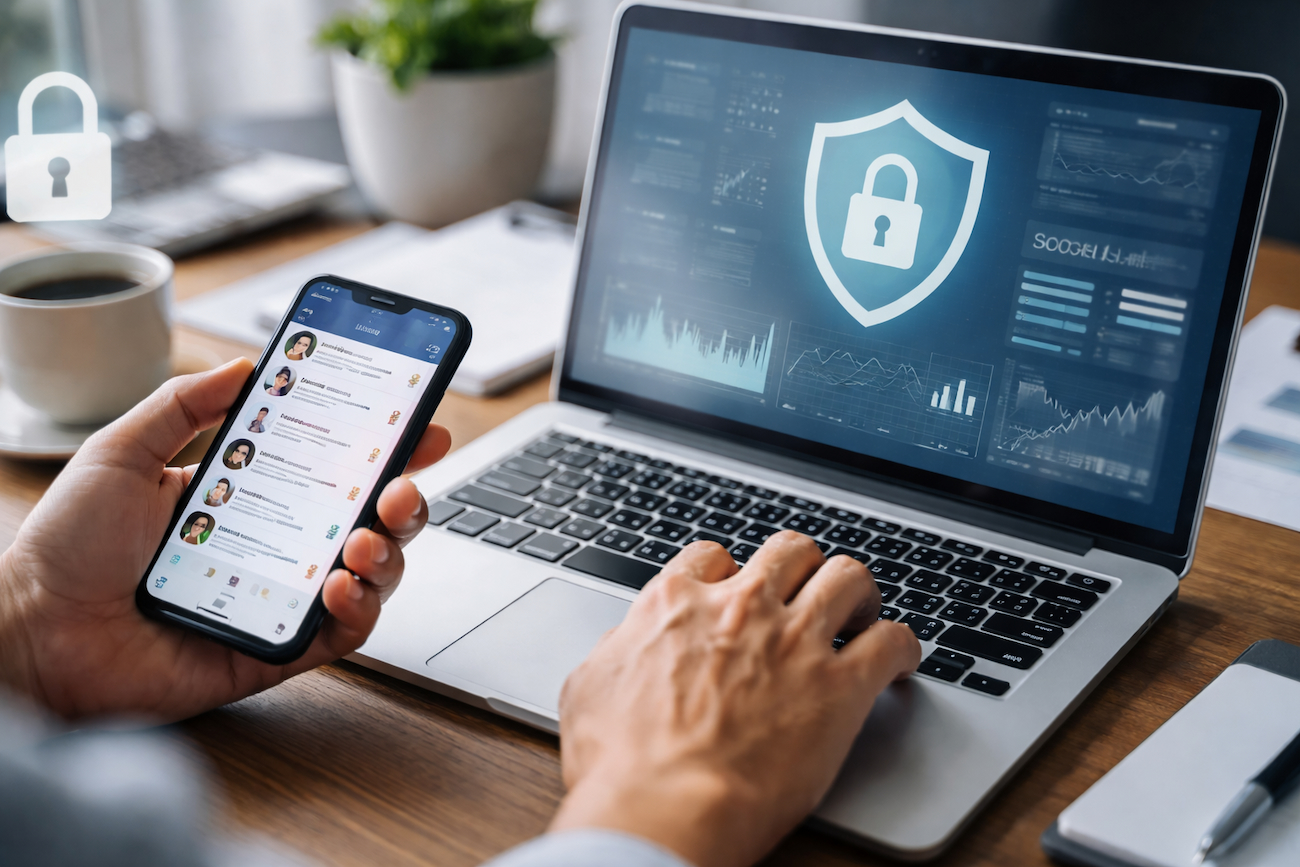
Social media has become an integral part of modern life. From connecting with friends and family to following the latest news, platforms like Facebook, Instagram, Twitter, and TikTok keep us constantly engaged. However, while social media offers convenience and entertainment, it also comes with significant risks. Personal data leaks are increasingly common, and careless online habits can make anyone vulnerable to identity theft, fraud, or targeted advertising.
Fortunately, there are practical steps that you can take to protect your personal information while using social media. This guide provides actionable tips for keeping your data safe, maintaining privacy, and browsing securely, even if you are not a tech expert.
Understand the Risks of Personal Data Leaks
Before diving into prevention strategies, understanding how social media can expose personal data is crucial.
- Data Collection by Platforms: Social media apps track your activity, including posts, likes, comments, and browsing habits.
- Third-Party Apps and Plugins: Some apps request access to your social media accounts, sometimes collecting more data than necessary.
- Phishing Scams: Links and messages may trick users into giving away sensitive information.
- Account Breaches: Weak passwords or reused credentials can lead to unauthorized access to your accounts.
By understanding these risks, you’ll be better prepared to implement preventive measures that protect your digital identity.
Review and Update Privacy Settings Regularly
Privacy settings on social media platforms allow you to control who views your content and how they use your data. Regularly reviewing these settings is essential for minimizing risks:
- Limit Public Access: Restrict posts, profile details, and photos to friends or trusted contacts rather than to “everyone.”
- Control Search Visibility: Prevent your profile from being searchable on search engines to reduce exposure.
- Adjust Ad Preferences: Limit how social media platforms use your data for targeted advertising.
- Review Third-Party Access: Remove apps or services connected to your account that you no longer use.
Regularly updating privacy settings ensures that you maintain control over your personal information and reduces the chance of accidental leaks.
Use Strong, Unique Passwords for Each Account
One of the simplest but most effective ways to prevent data leaks is using strong passwords:
- Avoid Common Passwords: Steer clear of predictable combinations like “123456” or “password.”
- Include Complexity: Use a mix of uppercase, lowercase, numbers, and symbols.
- Unique Passwords for Each Account: If one account gets compromised, reusing passwords puts multiple accounts at risk.
- Consider a password manager: Tools like LastPass or 1Password generate and securely store complex passwords.
Strong passwords act as a first line of defense against unauthorized access and potential data leaks.
Enable Two-Factor Authentication (2FA)
Two-factor authentication adds an extra layer of security by requiring a second form of verification when logging in:
- SMS Verification: Receive a one-time code on your mobile phone.
- Authenticator Apps: Apps like Google Authenticator or Authy provide time-based codes for login.
- Security Keys: Physical devices like YubiKey offer the highest level of protection.
Even if someone compromises your password, enabling 2FA significantly lowers the chances of account breaches.
Be Cautious About Sharing Personal Information
Oversharing on social media is one of the most common causes of personal data leaks. Follow these guidelines:
- Avoid Posting Sensitive Details: Never share your birthdates, home addresses, phone numbers, or financial information publicly.
- Think Before Sharing Photos: Images may contain metadata (like location tags) that reveal your whereabouts.
- Cybercriminals can exploit even seemingly harmless posts like vacations or daily routines.
- Review Tagged Content: Ensure friends’ posts tagging you do not expose personal information inadvertently.
Being mindful of the information you share online is a proactive step in protecting your privacy.
Recognize and Avoid Phishing Attempts
Phishing scams are designed to trick users into revealing sensitive information. Awareness and caution can prevent falling victim:
- Check Links Carefully: Avoid clicking on suspicious links in messages or comments.
- Verify Senders: Confirm the identity of anyone requesting personal information.
- Use Official Channels: Access accounts only through official apps or websites, not emailed links.
- Report Suspicious Activity: Social media platforms often allow users to report scams, helping prevent data leaks.
Being able to recognize phishing attempts ensures your data stays in your control.
Secure Your Devices
Even with strong social media habits, insecure devices can compromise your personal data. Protect your devices using these steps:
- Install Updates Promptly: Operating system and app updates often fix security vulnerabilities.
- Use Antivirus and Anti-Malware Software: Protect devices from malicious programs that could steal data.
- Enable Device Lock: Use strong PINs, passwords, or biometric authentication for phones and computers.
- Avoid Public Wi-Fi for Sensitive Logins: Use a trusted network or VPN when accessing accounts on public Wi-Fi.
Device security complements your social media privacy, reducing the chances of data exposure.
Limit Third-Party App Permissions
Many social media users link third-party apps to their accounts for convenience. While useful, these apps can access personal data:
- Review Connected Apps: Regularly check which apps have access to your accounts.
- Revoke Unnecessary Permissions: Remove any apps that are not essential.
- Avoid Apps That Require Excessive Data: Only authorize apps that need minimal access.
- Verify App Privacy Policies: Understand how your data will be used before granting access.
Limiting third-party permissions helps prevent data from being shared without your knowledge.
Manage Location Sharing
Location data is highly sensitive and can reveal patterns about your life. Protect yourself with these strategies:
- Disable Location Tracking: Turn off GPS access for social media apps when not needed.
- Avoid Geotagging Posts: Posting photos with location data can reveal your routines.
- Use General Locations: If location sharing is necessary, use broader geographic tags rather than precise addresses.
Controlling location data minimizes the risk of physical security breaches and targeted attacks.
Be Mindful of Social Engineering Tactics
Cybercriminals often use social engineering to trick users into revealing information:
- Verify Friend Requests: Accept requests only from people you know.
- Question Unusual Messages: Be wary of time-sensitive requests or unusual communication from known contacts.
- Avoid Over-Sharing Personal Stories: Scammers may use details from posts to manipulate or impersonate you.
Staying alert to social engineering tactics safeguards your personal data from exploitation.
Regularly Monitor Account Activity
Even with precautions, breaches can occur. Regular monitoring helps detect suspicious activity early:
- Verify Login History: Most platforms show recent login activity, including devices and locations.
- Review Account Changes: Ensure no unauthorized changes to email addresses, passwords, or recovery options.
- Enable Notifications: Receive alerts when unusual activity occurs.
- Act Quickly: If suspicious activity is detected, change your password immediately and review connected apps.
Proactive monitoring allows for rapid response, minimizing the potential damage from data leaks.
Educate Yourself About Privacy Policies
Understanding how social media platforms handle your data is critical:
- Read Privacy Policies Carefully: Know what data is collected, stored, and shared.
- Opt-Out Where Possible: Many platforms allow users to limit data usage for ads or third-party sharing.
- Stay Updated: Platforms update policies frequently, so review them periodically.
- Understand Your Rights: Familiarize yourself with regional privacy laws, like GDPR or CCPA.
Being informed empowers you to make better decisions about what to share and what to protect.
Consider Using Privacy-Focused Tools
Several tools and practices can enhance your online privacy:
- VPN Services: Encrypt your internet traffic, hiding your IP address from trackers.
- Ad Blockers: Reduce tracking and exposure to targeted advertisements.
- Secure Browsers: Browsers like Brave or Firefox provide stronger privacy protections.
- Temporary Email Addresses: Use disposable emails for app sign-ups to reduce spam and data collection.
Integrating these tools into your social media routine adds an extra layer of protection against data leaks.
Conclusion
Social media is an integral part of daily life, but it comes with risks that cannot be ignored. Personal data leaks can lead to identity theft, fraud, and privacy invasions, affecting both personal and professional life. The good news is that by taking proactive steps, you can enjoy social media while keeping your data secure.
Key strategies include reviewing privacy settings, using strong passwords and two-factor authentication, limiting shared information, avoiding suspicious links, securing your devices, managing location sharing, monitoring account activity, and using privacy-focused tools. By staying informed, vigilant, and cautious, you can significantly reduce the chances of personal data leaks while browsing social media.
FAQs
1. How often should I review my social media privacy settings?
Ideally, review them every 3–6 months or after major platform updates to ensure your data remains secure.
2. Can social media platforms access my private messages?
While end-to-end encrypted apps (like WhatsApp) protect messages, some platforms may access metadata or unencrypted messages. Review the platform’s privacy policies.
3. What is the most effective way to prevent account hacking?
Use strong, unique passwords, enable two-factor authentication, and avoid clicking on suspicious links.
4. Are public Wi-Fi networks safe for logging into social media accounts?
Public Wi-Fi can expose your data to hackers. Use a trusted network or a VPN to stay secure.
5. How can I tell if my social media account has been compromised?
Signs include unusual login activity, unauthorized posts, or changes to your profile information. Monitor account activity regularly and act quickly if anything seems suspicious.

NilansGuide Editorial Team creates practical guides for people who want to use technology with more confidence. Our content covers everyday smartphone use, apps, digital safety, common technology problems, and beginner-friendly device guidance. We focus on clear explanations and practical steps that help readers understand and solve everyday technology questions without unnecessary complexity. Content is reviewed and updated when needed to keep information useful and relevant.